When enjoying Giant Trevally, aim for the 1.5-7 kg range for the best dining experience. Smaller GTs have white, firm flesh that's tastier. Ensure immediate bleeding and icing post-catch for optimal taste. Cooking methods like grilling or pan-searing enhance flavor. Remember, fresher is better for a delicious meal. If you want to discover more about cooking this fascinating fish, keep exploring the details provided.
Understanding Giant Trevally Diet
Understanding the Giant Trevally diet provides valuable insights into their predatory behavior and feeding habits. These apex predators have a diverse palate, preying on various creatures such as fish, crustaceans, and cephalopods. When it comes to fish, the Giant Trevally is particularly keen on targeting smaller reef fish as part of its meal. These larger fish use their speed and strength to ambush and capture their prey, showcasing their prowess as skilled hunters in the underwater world.
In addition to feeding on smaller reef fish, Giant Trevally are known to go after larger fish as well, demonstrating their ability to take on a wide range of prey based on availability and opportunity. This predatory behavior contributes to their role as top predators in their habitats, helping to regulate the ecosystem by controlling populations of other marine species. By understanding the Giant Trevally's diet preferences, anglers can tailor their bait and lures effectively, increasing their chances of a successful fishing expedition targeting these impressive creatures.
Impact of Size on Flesh Quality
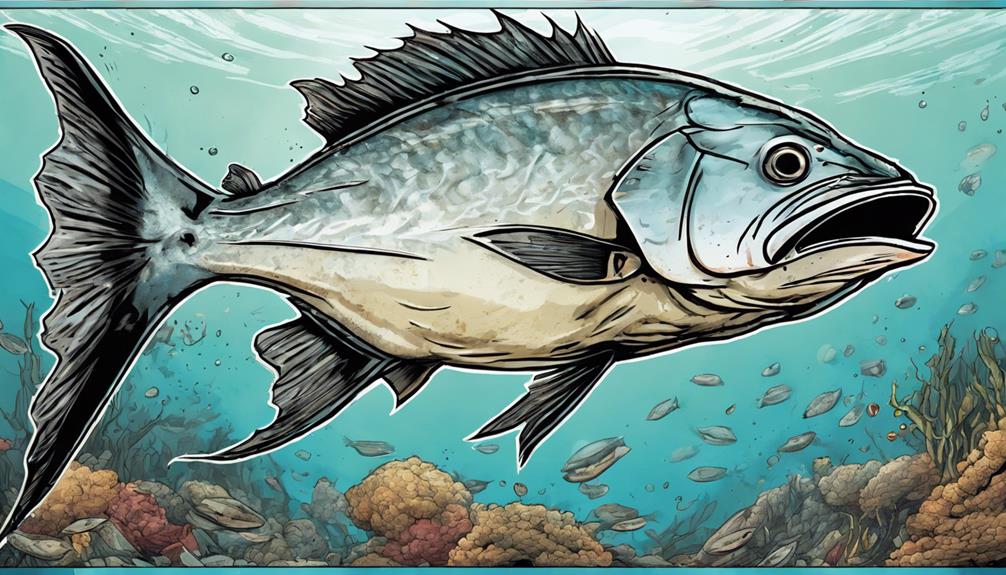
How does the size of Giant Trevally affect the quality of its flesh for consumption?
When it comes to the flesh quality of Giant Trevally, size plays a significant role. Smaller giant trevally, weighing up to 6 kg, are known to have white, firm, and slightly dry flesh, making them more desirable for consumption. On the other hand, larger giant trevally tend to have very dry flesh, impacting their eating quality negatively.
The ideal size range for consuming Giant Trevally is around 1.5-7 kg, as fish within this range typically exhibit better flesh quality. The texture of the flesh is notably affected by the size of the fish, with larger specimens often displaying a less desirable texture.
Therefore, when considering the flesh quality of Giant Trevally, opting for smaller fish is generally preferred to ensure a more enjoyable dining experience.
Factors Affecting Eating Quality
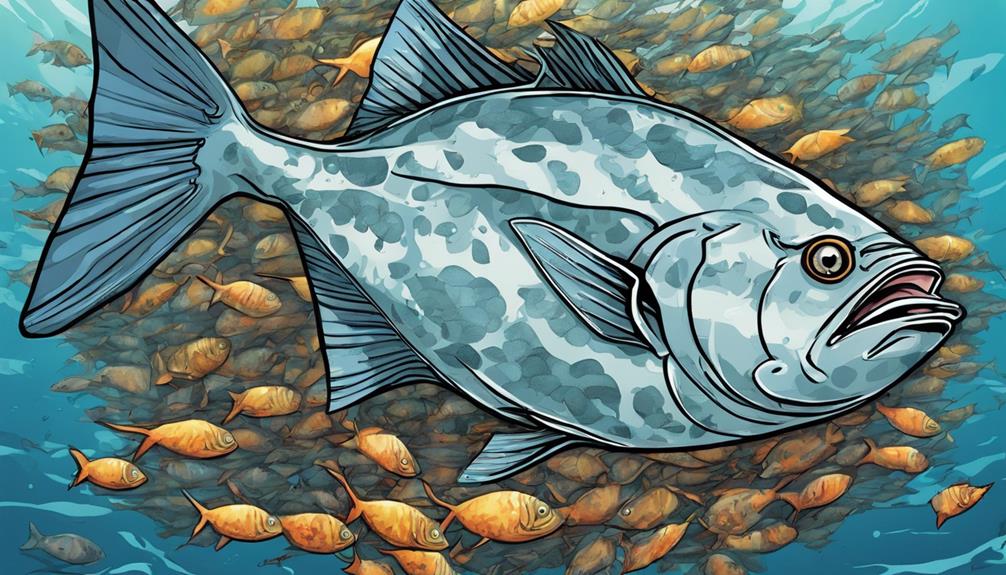
When it comes to the eating quality of giant trevally, freshness plays a crucial role in determining taste and texture. Proper handling techniques such as bleeding and icing are essential for maintaining the flavor profile.
Cooking methods and seasoning choices also greatly influence the overall enjoyment of your giant trevally dish.
Freshness Impact on Taste
Maintaining freshness through immediate bleeding and icing of giant trevally post-catch is crucial for enhancing its taste quality. The larger the giant trevally, the more significant the impact of freshness on its taste.
Opting for fresh giant trevally over frozen ensures a superior taste experience. Proper handling techniques, such as immediate icing, play a vital role in preserving the fish's taste profile. Freezing can diminish the flavor of giant trevally, underscoring the importance of consuming it fresh for maximum enjoyment.
The overall dining experience of giant trevally hinges on its freshness, making prompt and proper handling essential for savoring its delicious taste to the fullest.
Cooking Methods Influence
To optimize the eating quality of giant trevally, consider the influence of various cooking methods on enhancing its flavor and texture. Cooking methods play a crucial role in bringing out the best taste of giant trevally.
Baking giant trevally in foil with olive oil and seasoning can be a great way to preserve its natural flavors. It's important to note that freezing the fish can have a negative impact on its taste and texture, so opting for fresh fish is recommended.
Experimenting with different cooking techniques, such as grilling, pan-searing, or even ceviche preparation, can help you discover the best way to enjoy the delicious taste of giant trevally.
Seasoning Enhancements
Seasoning enhancements play a crucial role in elevating the eating quality of giant trevally by enhancing its natural flavors and making it more enjoyable. When cooking giant trevally, factors like herbs, spices, citrus marinades, and olive oil can significantly improve its taste. Experimenting with different seasonings allows you to cater to personal preferences, ensuring a delightful dining experience.
Moreover, seasoning can also help mask any fishy taste that may be present in older or larger giant trevally, making it more palatable. By choosing the right seasonings and incorporating them thoughtfully, you can enhance the overall flavor profile of giant trevally, turning a simple dish into a culinary delight.
Optimal Consumption Window for GT
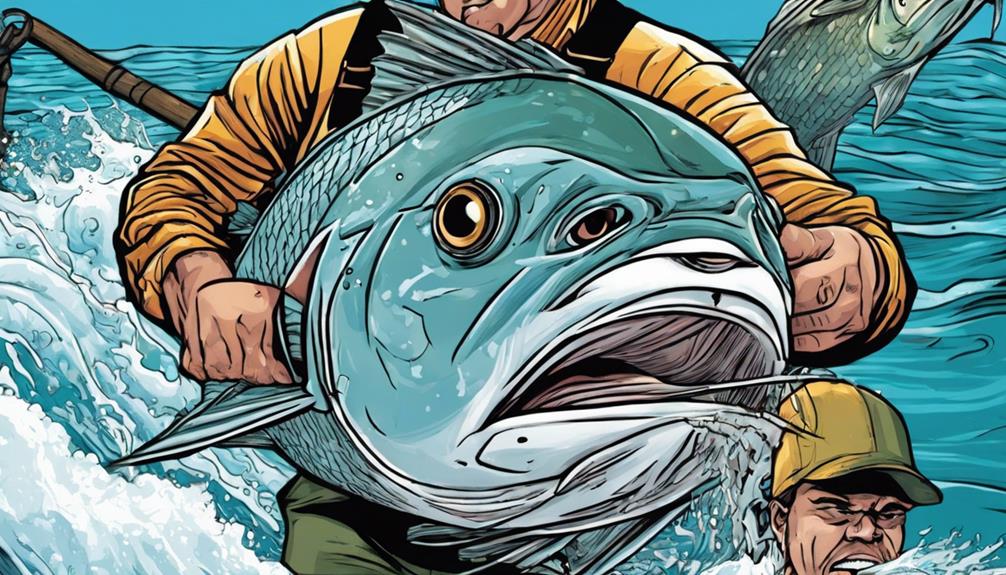
When it comes to getting the best out of your Giant Trevally (GT), timing is key. Eating it on the day it's caught ensures you savor its peak freshness and flavor profile.
Discovering the best cooking methods and spotting freshness indicators can elevate your GT dining experience.
Best Cooking Methods
Grilling, baking, or pan-searing are the optimal cooking methods for enhancing the eating quality of giant trevally. When it comes to Howard Springs or golden trevally, these methods work wonders, bringing out the best flavors and textures.
Freshly caught giant trevally is preferred over frozen ones, ensuring a more enjoyable dining experience. To further elevate the taste, consider using citrus or herb-based marinades. Remember, overcooking should be avoided to maintain the delicate flavor and texture of the fish.
For the ultimate culinary delight, aim for giant trevally around 1.5-7kg in size. By following these cooking methods, you can savor the delicious taste of giant trevally at its finest.
Freshness Indicators
To ensure peak freshness and optimal taste of giant trevally, pay close attention to key indicators such as clear, bright eyes and firm, shiny flesh. Freshly caught giant trevally is best consumed within 1-2 days for the best flavor and texture experience. Look for larger ones with these characteristics straight away to enjoy the highest quality.
Signs of deterioration include dull, sunken eyes, discolored gills, or a strong fishy odor. Properly store your trevally by keeping it chilled on ice to maintain its quality. Remember, the fresher the giant trevally, the better your overall eating experience will be.
Enjoy the largest trevally at its peak freshness for a delightful culinary moment.
Cooking Techniques for GT

For optimal taste and texture, consider grilling, baking, or pan-searing Giant Trevally (GT). When grilling GT, aim for perfection by preheating the grill to medium-high heat and oiling the grates to prevent sticking.
Baking secrets for GT include marinating the fish for at least 30 minutes before baking to infuse flavors and moisture. Pan-searing tips involve using a hot pan with oil, ensuring the GT is patted dry to achieve a crispy exterior.
Proper handling techniques play a crucial role in the taste quality of GT dishes. Avoid overcooking GT to retain its delicate flavor and texture. Citrus or herb-based marinades can further enhance the taste of GT, complementing its natural richness.
Risks of Consuming GT
When considering consuming Giant Trevally (GT), it's important to be aware of the potential risks associated with this fish, particularly the presence of the ciguatera toxin. Giant trevally can carry the ciguatera toxin, a risk for fish poisoning. This toxin can't be visually detected and remains even after cooking or freezing.
Ingesting GT contaminated with ciguatera toxin can lead to symptoms like nausea, vomiting, diarrhea, and numbness. Younger and smaller GT are less likely to contain the toxin compared to older, larger fish. Symptoms of ciguatera poisoning from consuming GT can manifest within hours after ingestion, highlighting the toxicity concerns associated with this fish.
Health implications of ciguatera poisoning can be severe, impacting your well-being significantly. Therefore, it's crucial to be cautious when consuming GT to avoid potential health risks related to ciguatera toxin contamination.
Flavor Profile of GT
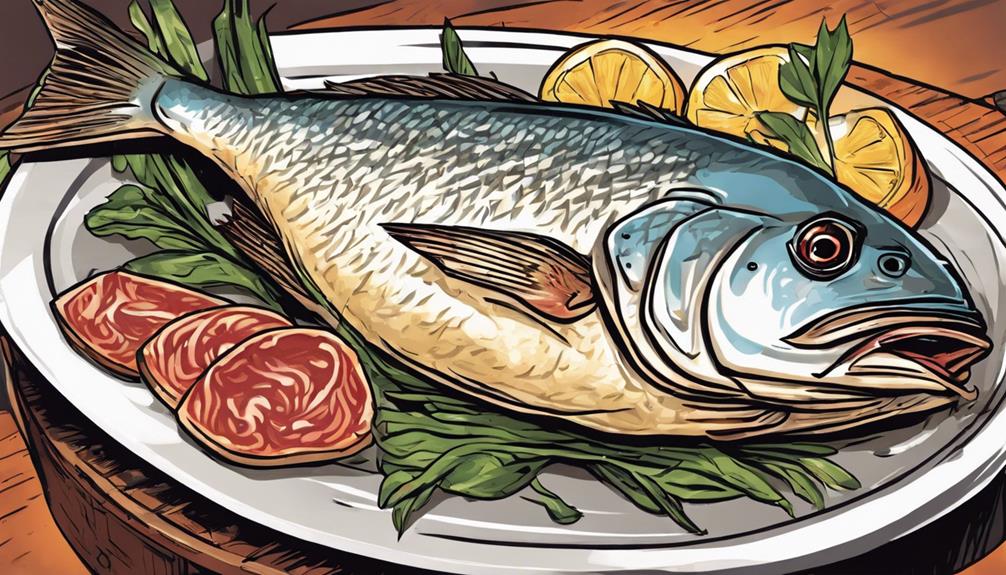
Giant trevally, known for its mild flavor and slightly oily, firm texture, offers a versatile culinary experience due to its meat's unique characteristics. The flavor nuances of GT can vary depending on the fish's size and age, providing a range of taste variations for different recipes.
When considering cooking techniques, GT's firm texture makes it suitable for grilling, baking, and pan-searing, allowing for diverse seasoning combinations that complement its taste profile. The slightly oily quality of GT adds richness to dishes and opens up possibilities for flavor pairings that enhance its natural taste.
To fully appreciate the flavor profile of GT, it's essential to explore different ways of preparing this fish to bring out its best qualities. By understanding the textural qualities and experimenting with various flavor pairings, you can elevate your culinary experience with this prized seafood.
GT Flesh Texture Analysis

Examining the texture of Giant Trevally (GT) flesh reveals its characteristic white, firm, and slightly dry qualities, which are influenced by the fish's size variations. Smaller GTs tend to offer a more desirable texture, while larger ones may have drier flesh, making them less ideal for consumption.
To maintain the optimal texture of GT flesh, proper handling and cooking techniques are crucial. Texture preservation techniques play a significant role in ensuring the tenderness of the flesh. When analyzing flesh tenderness, it's essential to consider taste preference factors.
Fresh GT is generally preferred over frozen options due to its superior texture. By understanding the impact of size variations, handling methods, and taste preferences, one can appreciate the importance of texture in enhancing the overall eating quality of Giant Trevally.
GT as Sashimi or Sushi

When preparing giant trevally for sashimi, ensure you slice it thinly to highlight its firm texture and delicate flavor.
Pairing it with traditional sushi condiments like soy sauce, wasabi, and pickled ginger can enhance the overall dining experience.
Remember to handle the fish with care and ice it immediately post-catch for the best sashimi results.
Sashimi Preparation Tips
To prepare delicious sashimi using giant trevally, start by ensuring the fish is fresh and of top quality to maximize its flavor. When slicing the GT, utilize your knife skills to cut it thinly against the grain for improved texture.
For presentation techniques, consider arranging the sashimi slices on a clean, white plate to showcase its natural colors. Enhance the dish with traditional flavor combinations like soy sauce, wasabi, and pickled ginger. Garnish options such as shiso leaves or radish sprouts can add a fresh element.
When sourcing giant trevally, opt for sustainable practices to support responsible fishing. By following these tips, you can create a delightful giant trevally sashimi dish that highlights its mild, firm flesh and delicate flavor profile.
Sushi Pairing Ideas
For a delectable dining experience, consider pairing giant trevally as sashimi or sushi with traditional accompaniments like soy sauce, wasabi, and pickled ginger. Giant trevally's firm meat holds up well in raw preparations, making it ideal for sushi or sashimi.
Try serving sliced giant trevally with a drizzle of citrus ponzu sauce for a refreshing twist. The mild flavor of giant trevally complements sushi rice and nori seaweed in sushi roll variations. Experiment with flavorful garnishes like avocado, cucumber, or spicy mayo to enhance the taste of giant trevally.
Get creative with sushi presentations to elevate your dining experience with this versatile fish.
GT Cooking Recommendations

For optimal flavor and texture, consider grilling, baking, or pan-searing Giant Trevally (GT) to bring out its delicious qualities. When grilling GT, mastering techniques like direct grilling or using cedar planks can enhance its natural flavors. Pairing GT with citrus-based marinades like lemon or lime can complement its taste, while herb-infused marinades such as rosemary or thyme can add depth to the dish. Your taste preferences play a crucial role in choosing the right marinade for GT, so feel free to experiment with different flavors to find your perfect match.
Before cooking GT, bleeding the fish properly after catching it can significantly improve its eating quality. This process helps remove any residual blood, enhancing the fish's taste. Additionally, opting for freshly caught GT over frozen ones can provide a more flavorful experience due to better preservation of its natural taste. Remember not to overcook GT to maintain its firm texture and preserve its delicious flavor profile.
GT Culinary Uses

When incorporating Giant Trevally into your culinary creations, its firm, oily meat offers versatility in cooking various dishes. The culinary versatility of this fish allows you to explore different flavor profiles and cooking techniques to suit your preferences. The mild flavor of giant trevally makes it a great canvas for various seasonings and preparations. However, it's essential to note that older, larger fish may have a stronger fishy taste compared to younger ones, affecting the overall taste profile of your dish.
To ensure a pleasant dining experience, proper cooking techniques are crucial to prevent the meat from becoming tough and rubbery. Light grilling is a popular method for preparing Giant Trevally due to its firm texture, which holds up well during cooking. Additionally, chunked Giant Trevally meat can be used in raw dishes such as sushi, sashimi, or poke bowls, showcasing its adaptability in different culinary styles. Experimenting with different cooking methods will help you unlock the full potential of this versatile fish in your kitchen.
GT Vs. Other Trevally Species

Comparing Giant Trevally to other Trevally species reveals distinctive differences in their eating quality. While Golden Trevally is favored for its superior taste, Giant Trevally stands out for its unique texture.
Golden Trevally is preferred for its delicate flavor, often considered more palatable than other Trevally species. Bleeding and icing Golden Trevally immediately after catching enhances its taste significantly, a practice that's crucial for maximizing its freshness. Cooking methods play a vital role in bringing out the best in Golden Trevally; baking it in foil with olive oil and seasoning is a simple yet delicious way to enjoy this species.
In contrast, Giant Trevally offers its own culinary versatility, with a firmer texture that lends itself well to different cooking techniques. Seasoning enhancements can elevate the flavor of both species, but Golden Trevally is often the top choice for dishes where taste and texture are paramount, such as numus dishes.
Ultimately, the choice between the two species comes down to personal preference in taste and desired culinary outcomes.
Tips for Enhancing GT Flavor
To enhance the flavor of Giant Trevally, bleed and ice the fish immediately after catching and opt for fresh over frozen for optimal taste and texture. When considering flavor preservation techniques, bleeding the fish helps remove any blood that can affect the taste, while icing it maintains freshness.
For texture enhancement methods, avoid freezing as it can alter the texture of the fish, leading to a less desirable mouthfeel. Culinary creativity tips include experimenting with different cooking methods such as grilling, baking, or pan-searing to bring out the best flavors in the Giant Trevally.
To further enhance the taste, try using citrus or herb-based marinades that complement the natural flavors of the fish without overpowering them. Remember not to overcook the Giant Trevally to preserve its delicate flavor and firm texture.
Conclusion
Overall, when it comes to giant trevally, understanding their diet, size, and cooking techniques can greatly impact the eating quality. By considering factors such as optimal consumption window and cooking recommendations, you can enhance the flavor of this fish.
Whether you grill, bake, or fry it, the culinary uses of giant trevally are versatile and delicious. With a little knowledge and effort, you can enjoy a flavorful meal that's sure to impress.