If you're curious about the Giant Trevally species, you'll find this apex predator in warm coastal waters stretching across the Red Sea, Hawaiian Islands, southern Japan, and northern Australia. Recognized by its distinct dorsal and anal fin structures, these formidable fish can reach up to 170cm in length and weigh a hefty 80kg. Known for their diverse feeding habits and predatory nature, Giant Trevallies play a vital role in maintaining balanced food webs within the marine environment. Keep exploring to uncover more fascinating details about this impressive marine species.
Taxonomy and Phylogeny
In the world of marine biology, the taxonomy and phylogeny of the Giant Trevally species offer valuable insights into its evolutionary history. Belonging to the Caranx genus within the Carangidae family, this species was first described by Peter Forsskål in 1775 as Scomber ignobilis. Initially placed in the Scomber genus before transitioning to Caranx, the Giant Trevally is often mistaken for the Atlantic crevalle jack due to shared characteristics.
As part of the Carangiformes order, it holds the distinction of being the largest in the Caranx genus and the fifth-largest in the Carangidae family. Notably, Giant Trevally can reach lengths of up to 170cm and weigh 80kg, showcasing distinct features such as its unique dorsal and anal fin structures. The species is further identified by its strongly forked caudal fin and pectoral fins longer than its head length, setting it apart within the Caranx genus.
Description
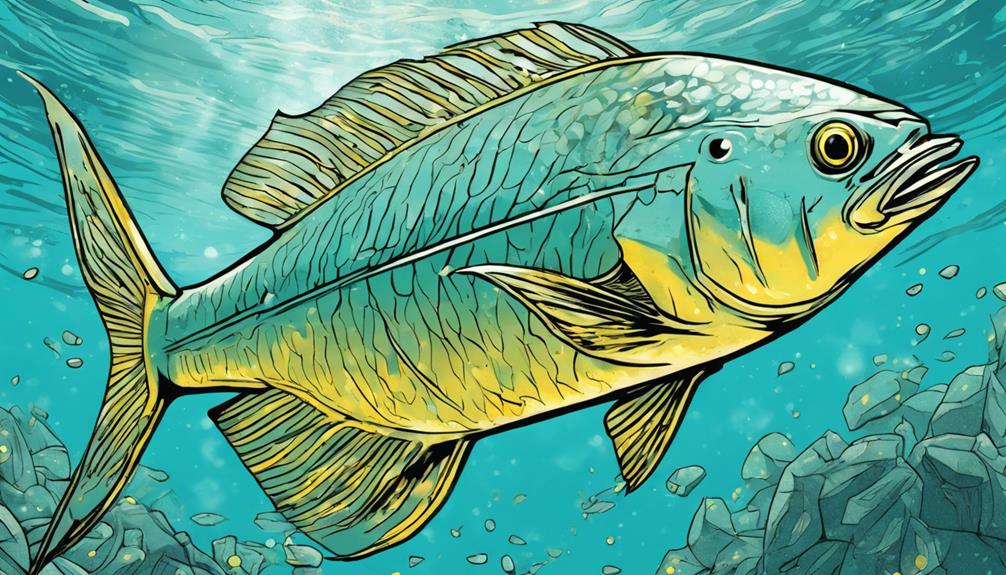
With its impressive size and aggressive nature, the Giant Trevally, also known as Caranx ignobilis, stands out as the largest and most formidable member of the trevally family. These fish can grow up to 170cm in length and weigh as much as 80kg. They're easily recognizable by their distinctive dorsal and anal fin structures, a strongly forked caudal fin, and pectoral fins longer than their head length. As apex predators in the Indo-Pacific region, giant trevally exhibit powerful predatory behavior and have diverse hunting patterns.
Reproduction for giant trevally typically occurs during warmer months, with spawning activities linked to lunar cycles. The larvae of these fish show variability in growth patterns.
Due to their size and strength, giant trevally are highly valued in game fishing, particularly in Hawaiian waters. Additionally, they play a significant role in commercial fisheries across their wide distribution range in the Indo-Pacific region.
Distribution
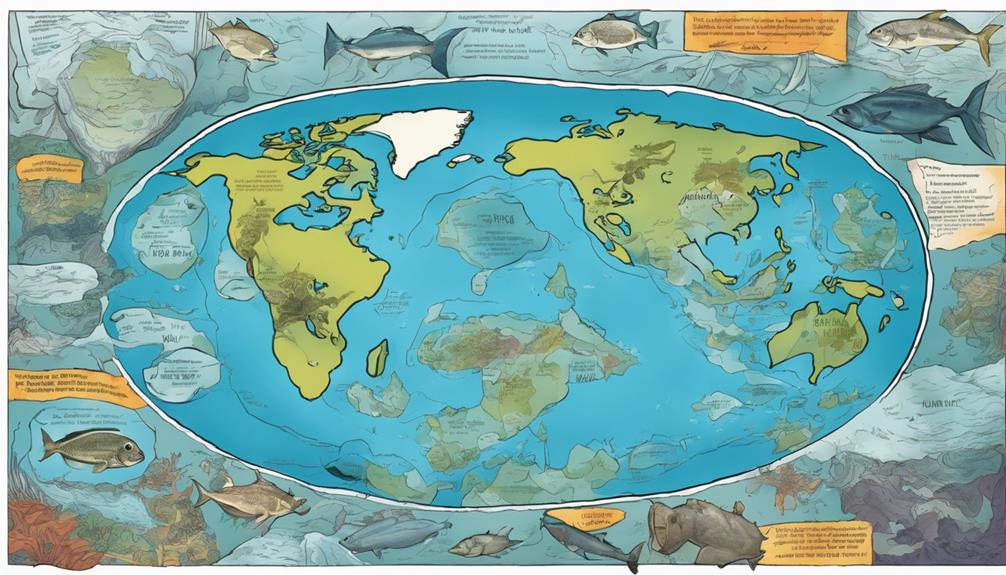
Exploring the vast tropical waters of the Indo-Pacific region reveals the widespread distribution of the Giant Trevally species. From the Red Sea to the Hawaiian Islands and from southern Japan to northern Australia, these impressive fish are a common sight.
In Hawaii, hybridization with Caranx melampygus has been reported, further expanding their distribution in the region.
Giant trevallies are adaptable to various marine environments, thriving in estuaries, shallow bays, offshore reefs, and banks. As pelagic adults, they roam over sand and rock formations, displaying their prowess in open waters. Interestingly, juveniles can often be spotted in estuaries before embarking on their journey to deeper marine habitats.
This ability to inhabit a wide range of environments contributes to their success and prevalence throughout the Indo-Pacific region. The Giant Trevally's distribution showcases their resilience and adaptability in diverse aquatic settings.
Habitat

Giant trevally thrive in warm coastal waters of the Indo-Pacific, from the Red Sea to northern Australia. They prefer shallower areas like bays, estuaries, and reefs, showcasing their predatory instincts.
As juveniles, they start near patch reefs and gradually move to open waters as they grow.
Natural Habitat Description
Inhabiting warm, coastal waters in the Indo-Pacific region, the giant trevally species thrives in diverse marine environments, including shallower waters, bays, estuaries, and reefs where they hunt for prey.
These marine fish are well adapted to tropical climates and are often found near patch reefs in coastal habitats. Giant trevallies exhibit unique foraging behavior, frequently seen hunting near larger marine predators such as sharks, seals, and dolphins.
Juveniles commonly reside near patch reefs close to lagoons before venturing into open waters. Their habitat spans a wide range from Africa to Japan and Australia, showcasing their ability to thrive in various marine ecosystems.
Diet and Feeding
Naturally drawn to warm, coastal waters in the Indo-Pacific region, the giant trevally species showcases its predatory prowess through a diverse diet that includes smaller fishes, crustaceans, eels, and even juvenile turtles. These opportunistic feeders are skilled predators, often seen hunting near larger marine animals like sharks, seals, and dolphins.
Inhabiting areas such as Africa, Japan, and Australia, giant trevallies play a crucial role in the marine ecosystems they call home. They're commonly found in shallower waters, bays, estuaries, and near coral reefs, where they can easily hunt for their prey. By preying on a variety of marine animals, giant trevallies help maintain the delicate balance of the marine ecosystems they inhabit.
Reproduction Habits
Reproduction habits of the giant trevally species involve spawning, with fertilized eggs settling on substrates like rocks and corals before hatching. This process is timed for late spring and summer months, coinciding with warmer water temperatures.
The fertilized eggs give rise to larval trevally that drift along currents until they grow large enough to navigate independently, eventually moving to patch reefs near lagoons. As juveniles, giant trevally venture into open waters as they mature, transitioning from sheltered environments.
Typically, sexual maturity is attained at approximately 3-4 years of age for females and slightly later for males. This lifecycle progression aids in the survival and sustainability of the giant trevally population.
Biology and Ecology

Giant trevally, known for their impressive size and predatory behavior, thrive in pelagic waters and sandy or rocky habitats where they hunt primarily at night. These pelagic adults spawn on shallow reefs and offshore banks, with their reproduction closely tied to specific environmental conditions.
Despite being commercially important, giant trevally populations are currently stable, leading to their classification as Least Concern on the IUCN Red List and minimal conservation concerns. These fish, which can reach lengths of up to 1.7 meters and weigh as much as 60 kilograms, are the largest trevally species.
Juvenile giant trevallies commonly inhabit estuaries initially before transitioning to open waters as they mature. Their ability to adapt to various habitats and their nocturnal hunting habits contribute to their success in the marine ecosystem.
Diet and Feeding

Feeding voraciously on smaller fishes and crustaceans, the giant trevally showcases its prowess as a fierce predator in the marine ecosystem. These predators are known for their opportunistic feeding habits, preying on eels, birds, and even juvenile turtles. Giant trevallies exhibit versatility in their diet by consuming a variety of marine creatures, making them adept hunters in their environment. They're often seen foraging near sharks, seals, and dolphins for food, taking advantage of their surroundings to secure a meal.
Found in warm coastal waters of the Indo-Pacific region, giant trevallies are skilled at hunting down their prey with precision. Their ability to adapt to different feeding opportunities and environments highlights their success as top predators in the marine food chain. By being versatile hunters and having a diverse diet, these fish play a crucial role in maintaining the balance of marine ecosystems in their habitat.
Life History

During their development, giant trevallies undergo distinct stages that contribute to their life history. Giant trevally reproduces through spawning in late spring and summer months. Fertilized eggs settle on substrates like rocks and corals before hatching. Larval trevally drift along currents until they can navigate independently, eventually moving to patch reefs near lagoons as juveniles. Sexual maturity is reached at around 3-4 years for females and slightly later for males, with females maturing at about 54-61cm in length. Juveniles venture into open waters from patch reefs, displaying variability in growth rates.
Giant trevally populations are sensitive to fishing pressures due to their size and longevity. Areas with recreational fishing activities have experienced some depletion. Understanding the life history of giant trevally is crucial for managing sustainable fishing practices and ensuring the preservation of this species for future generations.
Relationship to Humans
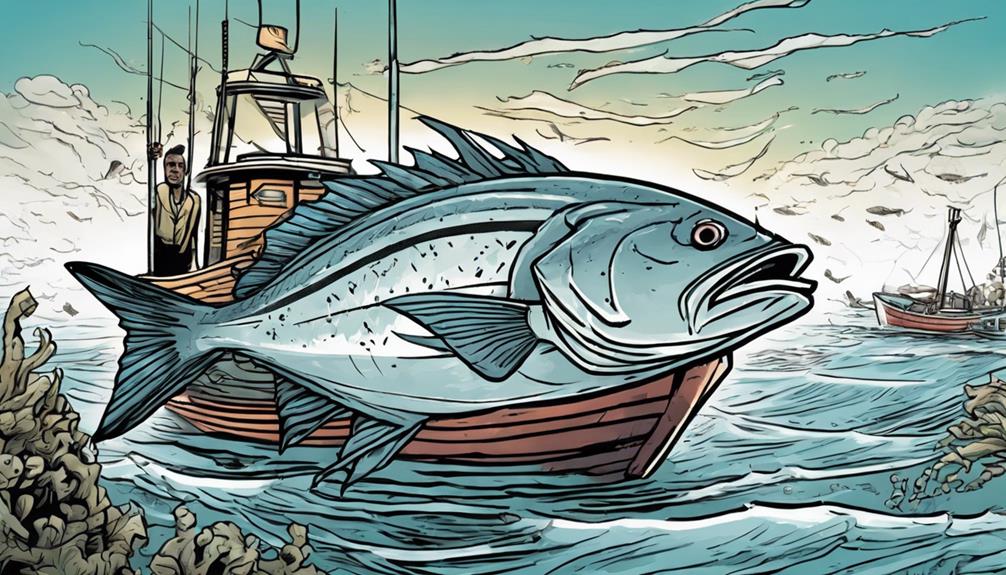
Valued for their size, strength, and aggressive nature, giant trevally are both a commercially important species and a popular game fish, attracting anglers worldwide. As a sought-after game fish, they provide recreational fishing opportunities and a thrilling challenge for anglers. However, caution is advised when consuming them due to the risk of ciguatera poisoning, a toxin that can be present in some individuals.
In regions like Hawaii, giant trevally play a significant role in the economy, generating around $31 million annually through recreational fishing activities. Despite their value for both commercial and recreational purposes, conservation efforts are crucial to ensure the sustainability of their populations. Threats such as overfishing and habitat degradation can endanger these impressive fish, highlighting the importance of implementing measures to protect their habitats and regulate fishing practices. By balancing the exploitation of giant trevally with conservation initiatives, their populations can be preserved for future generations to enjoy.
Conservation

To ensure the long-term survival of giant trevally populations, conservation efforts must address potential threats such as habitat loss and environmental changes in their marine environments. Giant trevally, while currently listed as Least Concern on the IUCN Red List, aren't immune to challenges.
Pollution and habitat degradation pose significant risks to their well-being. Additionally, localized depletion due to high levels of recreational fishing activity has been observed in certain areas. Sustainable management practices are essential to maintain healthy population levels.
Balancing the economic benefits of traditional and recreational fishing with the need for conservation is crucial, especially in regions like Hawaii where these activities are prominent. By promoting sustainability and implementing measures to mitigate habitat loss and environmental pressures, we can safeguard the future of giant trevally populations.
It's imperative that conservation efforts remain proactive and adaptive to ensure the continued viability of these magnificent fish.
References

You can find valuable information about the habitat and behavior, feeding habits, and conservation status of giant trevallies in the references provided. These sources will shed light on the marine ecosystems they inhabit, their predatory nature, and the efforts made to protect their populations.
Habitat and Behavior
Where do giant trevally typically inhabit, and how do their aggressive hunting behaviors contribute to their survival in the wild?
Giant trevally, a predatory fish species, thrive in the warm coastal waters of the Indo-Pacific region, including areas such as Africa, Japan, and Australia. Juvenile giant trevallies start their lives in estuaries, shallow bays, and reefs, gradually moving to open waters as they mature.
These opportunistic feeders exhibit aggressive behavior, foraging near larger predators like sharks, seals, and dolphins for sources of food such as smaller fish, crustaceans, eels, birds, and even juvenile turtles.
Their habitat preferences, including shallower waters, bays, and areas near reefs, provide them with ample opportunities to engage in their hunting and foraging behaviors effectively.
Feeding Habits
Giant trevally exhibit a diverse array of feeding habits, showcasing their adaptability and predatory nature in marine ecosystems. These top-level predators are opportunistic feeders, preying on smaller fish, crustaceans, eels, birds, and even juvenile turtles.
They're known for their nocturnal feeding behavior, targeting crustaceans and fish under the cover of darkness. Giant trevallies play a vital role in maintaining balanced food webs by controlling the populations of their prey.
Their diet consists of a wide variety of marine organisms, and they've been observed foraging near other large marine animals like sharks, seals, and dolphins. By being versatile predators, giant trevallies ensure the health and stability of marine ecosystems.
Conservation Status
In light of the stable populations and economic significance of giant trevally in regions like Hawaii, understanding their conservation status is crucial for ensuring their long-term survival in the face of potential threats.
The IUCN Red List categorizes the conservation status of giant trevally as Least Concern, indicating overall population stability, despite some depletion in areas affected by recreational fishing.
The species plays a significant role in the economy of regions like Hawaii, where both traditional and recreational fishing activities thrive. However, future threats such as habitat loss, pollution, and environmental changes pose risks.
Conservation efforts are essential to safeguard giant trevally from these potential dangers and to maintain their sustainability in the wild.
External Links

Explore additional resources related to the Giant Trevally species by checking out the following external links.
For more information on the different species within the Jack family, such as the Giant trevally, Bigeye trevally, Bluefin trevally, Golden trevally, and Silver trevally, visit websites specializing in tropical waters' marine life. These platforms can provide detailed insights into the unique characteristics and habitats of each species, making them valuable sources for enthusiasts and researchers alike.
If you're interested in fishing for Giant trevally or any other members of the trevally family, look for websites that offer tips and tricks specific to each species. These resources may include fishing techniques, recommended gear, and prime locations for a successful catch. Whether you're a seasoned angler or a novice looking to hook your first trevally, these links can enhance your fishing experience and increase your chances of landing a prized catch. Happy fishing!
Conclusion
Overall, the giant trevally species is a fascinating and important fish in marine ecosystems. With its impressive size and predatory behavior, it plays a crucial role in maintaining the balance of the underwater world.
Its widespread distribution and adaptability make it a key species for researchers to study. However, human activities such as overfishing and habitat destruction pose a threat to its survival, highlighting the need for conservation efforts to protect this remarkable species.